
IVF treatment is a stressful and exciting period that includes some physical and psychological difficulties. Since embryo transfer means the end of IVF treatment, it is also considered the end of this difficult process. In the following process, the result of whether the treatment was successful or not is awaited.https://www.youtube.com/watch?v=vIWyjqZuU0E What is Embryo Transfer? The …

IVF treatment is a stressful and exciting period that includes some physical and psychological difficulties. Since embryo transfer means the end of IVF treatment, it is also considered the end of this difficult process. In the following process, the result of whether the treatment was successful or not is awaited.
What is Embryo Transfer?
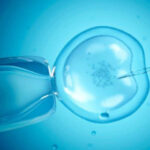
The process of placing an embryo or embryos that have been brought to the desired stage in a laboratory environment into the uterus of the prospective mother is called embryo transfer. Embryo transfer, which is one of the most important stages of in vitro fertilization treatment, is a short and simple procedure.
Embryo transfer is performed between the 2nd and 6th days after the egg collection procedure, considering factors such as the patient’s age, the number of previous attempts, the development and number of embryos.
If frozen embryo transfer is to be performed, the uterus should be prepared for transfer beforehand. The procedure is usually performed without anesthesia. During the procedure, the prospective mother should be urinating in order for the uterus to be clearly visualized with ultrasound.
How is Embryo Transfer Performed?
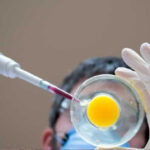
The prospective mother takes a gynecological examination position during embryo transfer. After the speculum is inserted, the vagina and cervix are cleaned using a sterile solution. The embryos to be transferred are taken into a special syringe with a very small amount of special liquid under a microscope by the embryologist.
With the help of abdominal ultrasound, the embryo transfer catheter is advanced until there is a distance of 1.5 cm between the uterine ceiling and the embryos are left in the uterine cavity. When the procedure is completed, the catheter is carefully removed. Whether or not there are embryos left in the catheter is checked under a microscope after the procedure.
What Should Be Done After Embryo Transfer?
After the embryo transfer, the couple can go home after a half-hour rest. If the couple is going out of town, there is no harm in a 2-3 hour journey. It is recommended to wait until the next day for longer distance journeys.
The expectant mother should rest for 3 days after the embryo transfer. Then she can continue her daily life where she left off.
There is no harm in the expectant mother sneezing, coughing, turning right and left while sleeping, or going up and down stairs. However, heavy work and exercise should be avoided until pregnancy occurs, and sudden movements should be avoided.
After the transfer procedure, there may be fullness in the breasts, pain in the groin as if menstruation is about to occur, and pink-brown drip-shaped discharge. This is not a worrying situation. However, if the discharge is red like menstrual bleeding, a doctor should be consulted.
The expectant mother can take a shower after the embryo transfer. After the embryo transfer and in case of pregnancy, acidic drinks, coffee, herbal teas, cigarettes and alcohol should not be consumed during this period.
Excessively spicy and fatty foods should be avoided; a diet program based on fresh fruit, vegetables and protein should be followed. The expectant mother should drink plenty of water and should not use any medication without the approval of her doctor. The injections given by the doctor for luteal support should be used in accordance with the instructions for the specified period.
In order to prevent vaginal infection, swimming should not be done in the first few days. It is important not to have sexual intercourse. The expectant mother should not be exposed to paints and liquids that may contain lead. In order to prevent a possible infection, unpasteurized milk and fresh cheese should be avoided.