

IVF is a fertility treatment where fertilization occurs outside the body. It is suitable for people with fertility problems. It is one of the most widely used and successful treatments available for many people.IVF is not possible for men who do not produce sperm, women who have gone through menopause or who have had their …
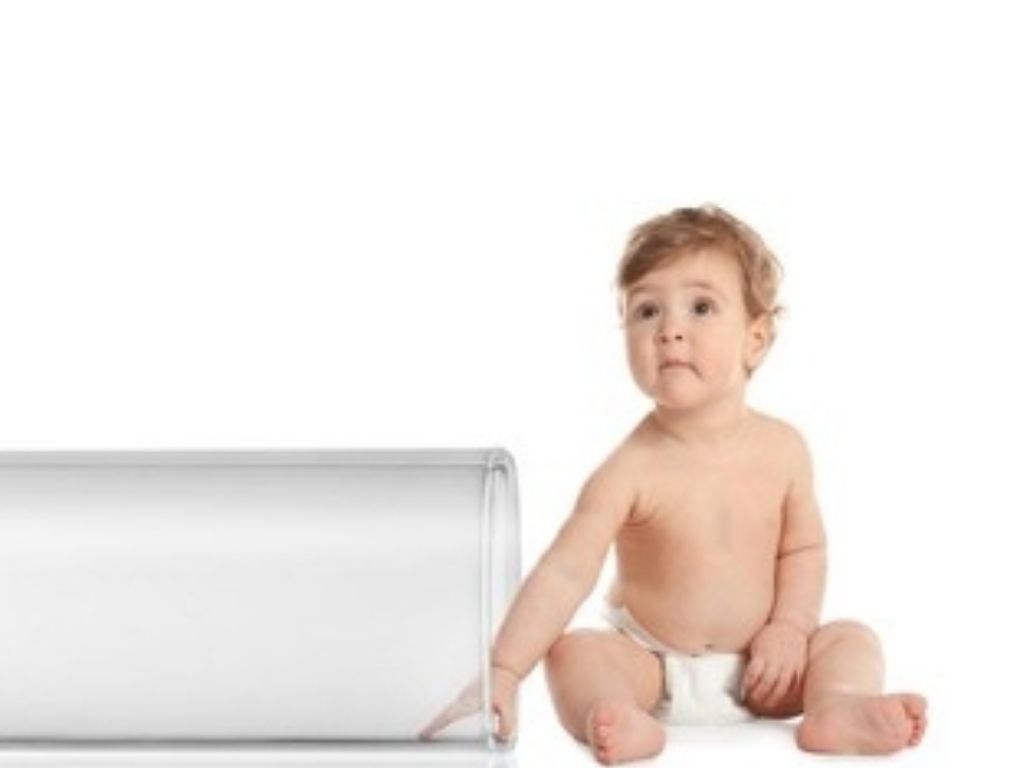
IVF is a fertility treatment where fertilization occurs outside the body. It is suitable for people with fertility problems. It is one of the most widely used and successful treatments available for many people.
IVF is not possible for men who do not produce sperm, women who have gone through menopause or who have had their uterus surgically removed. The likelihood of this treatment being successful in those who have gone through menopause or are at risk of early menopause is also very low. You should ask your doctor about your chances of success with the treatment.
Women with serious medical conditions may not be healthy enough to tolerate IVF. Women who are morbidly obese have a lower success rate with IVF and are encouraged to lose weight to be more successful. Because egg quality is lower in women over the age of 40, pregnancy rates may be low even when used in women of advanced reproductive age.
What is the Success Rate of IVF Treatment?
The Society for Reproductive Technologies (SART) states that the percentage of live births through IVF for women under the age of 35 is 55.6%. The live birth rate per first embryo transfer is 41.4%. The live birth rate with later embryo transfers is around 47%. It is also important to note that all of these statistics are based on a woman using her own eggs.
For women between the ages of 35 and 37, the success rate for IVF using her own eggs is 40.8%. The live birth rate based on the first embryo transfer is 31.6%. The live birth rate increases to 44.7% with the second or subsequent embryo transfer. For women between the ages of 38 and 40, the success rate is 26.8%, with a significant drop between the ages of 35 and 37. For 22.3% of women in this category, the first embryo transfer results in a live birth.
For women over the age of 40, the IVF success rate is around 7%. Women under the age of 42 have a higher success rate than women over the age of 42. In most cases, women over the age of 40 may decide to use donor eggs. Using donor eggs eliminates the age factor from the pregnancy success equation. The IVF process places the fertility power in the egg donor in their mid-20s. As technology continues to improve and we learn more about how to optimize the various factors that lead to pregnancy success, these numbers may continue to get better.
What Causes IVF Failure?
Sometimes it takes two or more cycles of in vitro fertilization (IVF) to achieve a successful outcome. This can take a toll on you physically, emotionally, and mentally. But it can help to know that you are not alone in your struggle, that you can get help from fertility specialists with decades of experience, and that IVF failure is not your fault. At each cycle, your doctor can advise you on what caused the failure and how to use this information to increase your chances of success if you decide to try IVF again. Some of the evaluations that can be done to get to the root of IVF failure include:
Immune testing
Karyotyping
Infection screening tests
Sperm evaluation
Uterine cavity status evaluation
Primary Causes
The primary cause of IVF failure is poor egg quality. As women age, the quality and quantity of eggs decrease. Despite tests and examination of eggs under a microscope, poor quality eggs can negatively affect the IVF cycle.
Poor sperm health, such as low sperm count and low motility, greatly reduces the success of IVF treatment. If you or your partner have such problems, there is always an appropriate treatment method to manage them.
Deterioration of the genetic structure of the embryo
Thickening of the outer membrane of the embryo
Inappropriate drug protocols used for treatment during egg development
Inadequate culture environments where the embryo develops and similar reasons can cause failures in IVF treatment.
Secondary Causes
Polyp and myoma in the uterus that prevent the embryo from attaching
Congenital uterine disorders that adversely affect the inner wall of the uterus
Adhesions due to curettage or infection
Bleeding and clotting disorders that allow the embryo to attach and grow in the uterus
Genetic or acquired immunological disorders in the woman can be counted among the factors that can prevent the embryo from attaching and growing.
Tertiary Causes
Endometriosis (chocolate cyst), a chronic disease that can be frequently seen in women who have difficulty having children,
Hydrosalpinx, which is mostly known as blockage and swelling of the tubes, may occur after previous intra-abdominal operations or infection in the tubes.
These reasons may also cause a decrease in success rates.